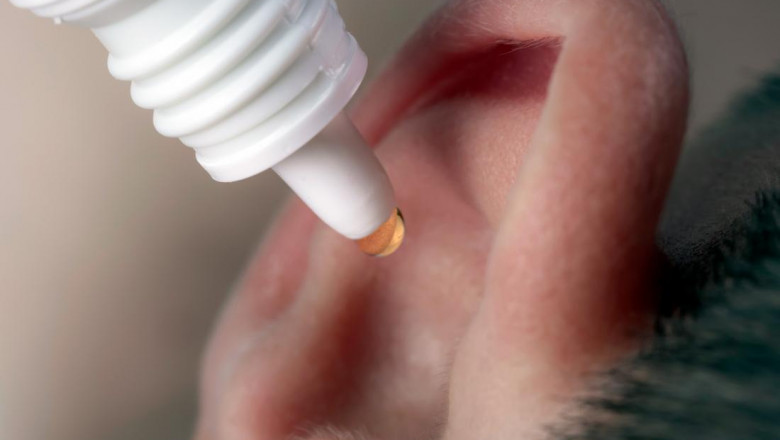
Understanding Your Child's Ear Infection
When young kids get colds, among the probable after-effects when that the cold is gone may be a ear infection. To know what causes them, you need to first know the body of a kid's ear. The internal ear is joined to the rear of the throat with a tiny tube called the auditory tube.
This tube is vital since it's this tube which allows fluid and debris pass through the ear, and to the back of the throat. If this tube gets clogged or blocked, fluid and debris become trapped inside the middle ear, also will result in an infection.
Types of Ear Infections
Otitis Media: The most frequent treatments for a clogged ear, otitis media, triggers the adrenal tube to become obstructed and the cells within the ear to become inflamed. The disease often originates with a chilly but may also be brought on by exposure to second-hand smoke, in addition to being vulnerability to other kids with migraines and possible secondary ear ailments.
Some kids are going to have more of this type of disease compared to others, and there's really a genetic reason for it. The tube in certain kids doesn't grow as fast as it does others, and may be incapable of draining all the fluid and debris that accumulates in the ear.
Otitis Externa: The other kind of ear disease that may happen in children and young adults is otitis externa, or swimmer's ear. This results from a fungal infection of the outer ear, and may be mainly prevented by using ear plugs when swimming. Improper drying of the ear, together with towels or Q-tips may also cause bacteria to be introduced into the outer ear, resulting in a disease. It's typically suggested that the ear be dried with a hair dryer, on its lowest setting, rather than blown right into the ear .
Symptoms of Ear Infection
The signs of an ear disease may differ from child to child as well as young adults can show signs of getting internal or middle ear problems, particularly after recovering from a serious cold. The Typical symptoms which will present themselves to This Type of disease are as follows:
Pulling on the ear: This may indicate that your child is feeling itching or pressure within their ear; yanking the ear is the way of attempting to alleviate the pain by themselves.
Powerful >Persistent Crying: Children, especially young children, cannot always convey the pain they're feeling, so that they shout. Crying can also be a indication of sleep-deprivation, resulting from the pain in the infection through the evening.
Difficulty Sleeping: The strain resulting from the inflammation of the cells within the ear may cause your child to eliminate sleep. It's possible to ease it even while it's being treated with your doctor by making certain your child sleeps on precisely the exact same side the disease is on. Gravity will help drain it faster if that aspect is facing down when the kid is sleeping. Sleeping on the other hand will lead to stress to build up, increasing the pain.
Drainage in the Ear: During the disease, pressure from inside will induce pus and fluid to drain out through the ear.
Balance and Hearing Problems: The pressure within the ear may lead to balance issues, and the kid may stagger a little whilst running or walking. They are also able to become hard of hearing out of the congestion, so in case a child ignores you when you talk to them insists on turning the volume on the tv up, it can be because the disease is causing a little hearing loss in that ear.
Fever: The development of the disease can result in a fever spike in your children's fever, because the body attempts to fight off the disease.
Treatment
In the very first indication of an illness, it's very important that your child be seen by their pediatrician when possible. There's been a growth in antibiotic resistant germs recently, which makes it even more critical that the child be seen by their own pediatrician. Depending upon the outcome of the evaluation, the physician may recommend a combination of antibiotics and other procedures of therapy to heal the disease.