Your Ultimate ROADMAP to Healthy Eating: Simple Guides That Actually Work
Have you ever stood in the grocery store feeling completely LOST about what foods to buy? Or maybe you've started a healthy eating plan only to give up after a few days because it felt too complicated? You're definitely not alone! Millions of people struggle with knowing how to eat healthy every single day.
Eating healthy doesn't have to be like solving a difficult math problem. It's actually much simpler than most people think. The problem is that there's so much confusing information out there. One day, you hear that carbs are bad, and the next day, someone tells you that fat is the enemy. It's enough to make anyone want to eat pizza & call it a day!
But here's the GOOD news: healthy eating can be easy, fun, & delicious when you have the right guides to follow. Think of healthy eating guides like having a GPS for your food choices. Instead of getting lost in all the confusing diet advice, you'll have clear directions that lead you to better health & more energy. In this article, we'll explore the most important healthy eating guides that can transform how you think about food. We'll cover everything from understanding what your body really needs to creating simple meal plans that work with your busy schedule. By the end, you'll have practical tools that make healthy eating feel natural & enjoyable rather than like a chore you have to do.
Understanding the Building Blocks: What Makes Food Healthy?
Before we dive into specific eating guides, let's talk about what actually makes food healthy in the first place. Think of your body like a car that needs different types of fuel to run properly. Just like a car needs gas, oil, & other fluids, your body needs different nutrients to work its best.
The main building blocks of healthy food are called MACRONUTRIENTS, which is just a fancy word for the big nutrients your body needs lots of. These include proteins, carbohydrates, & fats. Proteins are like the construction workers in your body - they help build & repair your muscles. You can find protein in foods like chicken, fish, beans, & eggs. Carbohydrates are your body's favorite source of energy, kind of like putting gas in your car. Good carbs come from things like fruits, vegetables, & whole grains. Fats might sound scary, but your body actually needs healthy fats to work properly. These come from foods like avocados, nuts, & olive oil.
But that's not all! Your body also needs MICRONUTRIENTS, which are vitamins & minerals. These are like tiny helpers that make sure everything in your body runs smoothly. For example, calcium helps keep your bones strong, while vitamin C helps your immune system fight off sickness. The amazing thing about eating a variety of colorful fruits & vegetables is that you automatically get lots of different vitamins & minerals without having to think too hard about it. When you understand these basic building blocks, choosing healthy foods becomes much easier because you know what your body actually needs to thrive.
The Plate Method: Your Visual Guide to Balanced Meals
One of the EASIEST & most effective healthy eating guides is called the plate method. This guide is so simple that you don't need to count calories, weigh food, or do any complicated math. All you need is a regular-sized dinner plate & your eyes!
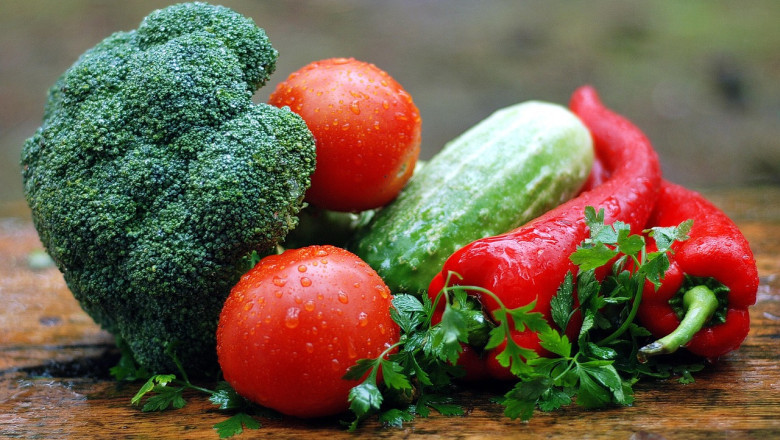
Here's how it works: imagine dividing your plate into different sections, like slicing a pie. Half of your plate should be filled with vegetables & fruits. This might seem like a lot at first, but vegetables & fruits are packed with vitamins, minerals, & fiber that your body craves. Try to make this half of your plate as COLORFUL as possible. Think red tomatoes, orange carrots, green broccoli, purple cabbage, & yellow peppers. The more colors you have, the more different nutrients you're getting.
One quarter of your plate should be lean protein. This could be grilled chicken, baked fish, tofu, beans, or even eggs. Protein helps you feel full & satisfied after meals, & it gives your muscles what they need to stay strong. The last quarter of your plate should be whole grains or starchy vegetables. This might include brown rice, quinoa, sweet potatoes, or whole wheat pasta. These foods give you lasting energy throughout the day.
What makes the plate method so POWERFUL is that it's visual & flexible. You don't have to stress about exact measurements or worry about eating the "wrong" foods. Instead, you're creating a natural balance that gives your body everything it needs. Plus, you can use this method whether you're eating at home, at a restaurant, or even at a friend's house. It works for breakfast, lunch, & dinner, making it one of the most practical healthy eating guides you can follow.
Meal Planning & Prep: Your Secret Weapon for Success
Have you ever noticed that you make your worst food choices when you're really hungry & don't have anything healthy ready to eat? That's where meal planning & prep come to the RESCUE! Think of meal planning like creating a roadmap for your week of eating, while meal prep is like packing your bags for the journey.
Meal planning starts with sitting down once a week & deciding what you want to eat for the next several days. This doesn't have to be complicated or fancy. Start by picking 3-4 simple meals that you enjoy & that use the plate method we just talked about. For example, you might plan for grilled chicken with roasted vegetables & brown rice, or a big salad with beans & avocado. Write down your meal ideas & create a shopping list based on what you need.
Meal prep is where the MAGIC really happens. This involves spending a little time on the weekend preparing parts of your meals so that eating healthy during the busy week becomes super easy. You might wash & chop all your vegetables, cook a big batch of rice or quinoa, or grill several chicken breasts at once. Some people like to prepare complete meals in containers, while others prefer to prep ingredients that they can mix & match throughout the week.
The beautiful thing about meal planning & prep is that it removes the stress of decision-making when you're hungry & tired. Instead of staring into your refrigerator wondering what to eat, you already have healthy options ready to go. This approach also saves you money because you're less likely to order takeout or buy random snacks at the store. Even if you only prep for 2-3 days at a time, you'll notice a huge DIFFERENCE in how easy it becomes to stick with healthy eating habits. Remember, the goal isn't perfection - it's progress & making healthy choices more convenient than unhealthy ones.
Practical Tips for Real Life: Making Healthy Eating Sustainable
Let's be honest - life gets messy, schedules get crazy, & sometimes eating perfectly healthy feels impossible. That's why the best healthy eating guides include strategies for real-life situations that don't always go according to plan.
First, let's talk about the 80/20 rule, which is a game-changer for many people. This rule means that 80% of the time, you focus on eating nutritious, wholesome foods, & 20% of the time, you allow yourself to enjoy treats or less healthy options without guilt. This approach helps you avoid the all-or-nothing thinking that causes many people to give up on healthy eating entirely. If you eat healthy most of the time, having pizza on Friday night or cake at a birthday party isn't going to ruin your progress.
Another IMPORTANT tip is to always have backup options available. Keep healthy snacks like nuts, fruits, or yogurt in your car, desk, or bag. This way, when you get unexpectedly hungry, you have good choices available instead of hitting the vending machine. Similarly, identify a few healthy options at restaurants you visit frequently, so you don't have to stress about what to order when eating out.
Don't forget about hydration! Many people mistake thirst for hunger & end up eating when their body actually needs water. Try to drink water throughout the day, & consider having a glass of water before meals. Sometimes when you think you're craving snacks, you're actually just thirsty.
Finally, be patient with yourself as you develop new habits. Research shows that it takes an average of 66 days to form a new habit, so don't expect to change everything overnight. Start with small changes that feel manageable, like adding one extra serving of vegetables to your day or drinking one more glass of water. As these small changes become automatic, you can gradually add more healthy habits. Remember, sustainable healthy eating is about creating a lifestyle you can maintain long-term, not about following a strict diet for a few weeks.
Your Journey to Healthier Eating Starts Now
Congratulations! You now have practical, easy-to-follow healthy eating guides that can transform how you approach food & nutrition. Remember, the goal isn't to completely overhaul your diet overnight or to eat perfectly all the time. Instead, these guides are designed to help you make better choices more often & to create eating habits that you can actually stick with for the long run.
Think about which guide resonates most with you right now. Maybe you're excited to try the plate method for your meals this week, or perhaps meal planning feels like the missing piece you've been looking for. Whatever appeals to you, start there! Pick one strategy & focus on implementing it consistently before adding other changes. This approach sets you up for SUCCESS rather than overwhelm.
Remember that healthy eating is a journey, not a destination. There will be days when you make choices you're proud of & days when you don't eat as well as you'd like. Both are completely normal & part of the process. What matters most is that you keep coming back to these healthy eating guides & use them as your roadmap for making better choices.
Final Thought
Your body deserves nutritious food that gives you energy, helps you feel strong, & supports your overall health. These guides aren't about restriction or punishment - they're about giving your body what it needs to help you live your BEST life. Start small, be patient with yourself, & celebrate the positive changes you make along the way. Your future self will thank you for taking these steps toward healthier eating today. What will be the first healthy change you make this week?