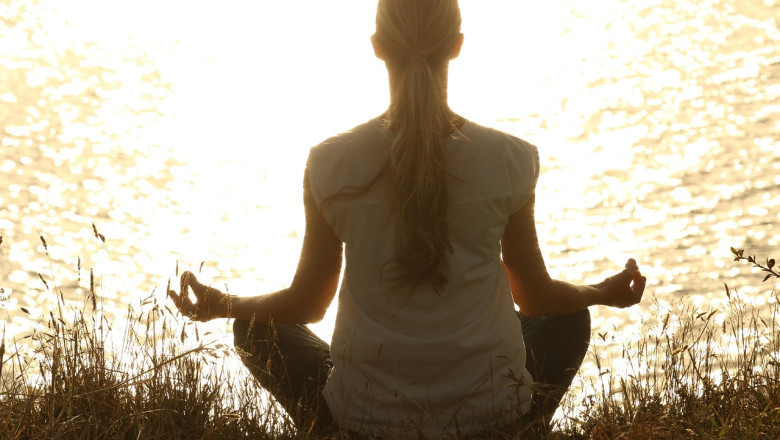
Transform Your Mind: Simple Meditation TIPS That Actually Work
Have you ever tried to quiet your mind only to find it racing faster than a hamster on a wheel? You're not ALONE. Meditation might seem like something only zen monks in mountain temples can master, but the truth is much simpler & more encouraging. Anyone can learn to meditate, regardless of age, background, or how busy their schedule might be.
In our fast-paced world filled with notifications, deadlines, & endless distractions, finding moments of peace feels almost impossible. Yet meditation offers a powerful solution that costs nothing & requires no special equipment. Think of it as a gym membership for your MIND – the more you practice, the stronger & calmer your mental muscles become.
This article will guide you through practical meditation tips that real people use in real situations. We'll explore how to start a meditation practice from scratch, overcome common obstacles that trip up beginners, & discover techniques that fit seamlessly into your daily routine. Whether you have two minutes or twenty, whether you're sitting in traffic or lying in bed, these strategies will help you find your CENTER. By the end of this journey, you'll have a toolkit of meditation methods that can transform stress into serenity & chaos into calm.
Starting Your Meditation Journey: Baby Steps to BIG Changes
Beginning meditation doesn't require crossing your legs into pretzel shapes or chanting ancient words. The most effective approach starts with understanding what meditation actually IS – simply training your attention to focus on the present moment. Many people think they need to empty their mind, but that's like trying to stop the ocean from having waves.
Instead, imagine meditation as watching clouds pass through the sky of your consciousness. Your thoughts are the clouds, & your awareness is the vast SKY itself. When you notice your mind wandering (which it definitely will), you're not failing – you're actually succeeding at becoming more aware. This gentle noticing & returning to focus is the core SKILL of meditation.
Start with just three to five minutes daily. Set a timer on your phone & choose a quiet spot where you won't be interrupted. Sit comfortably with your back straight but not rigid, like a puppet with a string gently pulling you upward. Close your eyes or soften your gaze downward. Begin by simply noticing your breath without trying to change it. Feel the air entering & leaving your nostrils, the rise & fall of your chest.
When thoughts pop up (& they will), imagine them as friendly visitors. Acknowledge them with a mental "hello" & then gently guide your attention back to your breathing. Some days your mind will feel like a calm lake, other days like a tornado of thoughts. Both experiences are perfectly NORMAL & valuable parts of your meditation journey. Consistency matters more than perfection, so celebrate showing up rather than achieving any particular state of mind.
Breathing Techniques That ACTUALLY Work
Your breath is always available as an anchor for your wandering mind, making it the perfect meditation TOOL. Unlike complex visualization techniques, breath-focused meditation requires no special skills or preparation. You can practice breathing techniques anywhere – in your car before a meeting, during a work break, or while waiting in line at the grocery store.
The 4-7-8 technique offers a simple yet powerful way to calm your nervous system. Inhale quietly through your nose for four counts, hold your breath for seven counts, then exhale completely through your mouth for eight counts. This pattern activates your body's relaxation response, shifting you from stress mode to CALM mode. Practice this three times in a row, but avoid doing more than four cycles when you're first starting.
Box breathing provides another excellent option for busy minds. Imagine drawing a square with your breath: inhale for four counts (drawing one side), hold for four counts (second side), exhale for four counts (third side), & hold empty for four counts (completing the SQUARE). Military personnel & first responders use this technique to maintain focus under pressure, proving its effectiveness in challenging situations.
For those who find counting distracting, try the "ocean breath" method. Breathe in & out through your nose while slightly constricting the back of your throat, creating a soft whooshing sound like ocean waves. This audible element gives your mind something concrete to focus on while naturally slowing your breath RHYTHM. The sound also helps mask external distractions, creating your own portable meditation environment wherever you practice.
Creating the Perfect Meditation SPACE
Your meditation environment significantly impacts your practice, but perfect conditions aren't necessary for meaningful results. Think of your meditation space as a signal to your brain that it's time to shift into a calmer, more focused STATE. This doesn't mean you need a dedicated room or expensive cushions – even a corner of your bedroom can become a sacred space for inner peace.
Choose a spot where you feel comfortable & relatively undisturbed. This might be a chair in your living room, a cushion on your bedroom floor, or even a bench in your garden. The key is CONSISTENCY – using the same location helps train your mind to settle more quickly into meditation mode. Keep this area clean & free from clutter, as external chaos often reflects & amplifies internal restlessness.
Consider the lighting in your space carefully. Harsh fluorescent lights can feel jarring, while complete darkness might make you sleepy. Soft, natural light works best, or try dimming artificial lights to create a gentle, peaceful atmosphere. Some people find candles helpful for creating ambiance & providing a visual focus point, though they're not ESSENTIAL for effective practice.
Temperature comfort matters more than you might think. A room that's too hot can make you drowsy, while excessive cold creates tension in your body. Aim for a slightly cool environment & consider having a light blanket nearby. Fresh air circulation helps maintain alertness, so crack a window if possible. Remember that your perfect meditation environment might change with seasons, moods, & life circumstances – stay flexible & adapt as NEEDED.
Overcoming Common Meditation OBSTACLES
Every meditation practitioner encounters challenges, & recognizing these obstacles as normal parts of the journey helps reduce frustration. The most common complaint beginners share is "I can't stop thinking," but this misunderstands meditation's purpose. Your goal isn't to eliminate thoughts but to change your relationship with them. Imagine thoughts as cars passing outside your window – you notice them without needing to chase after each one.
Physical discomfort often derails meditation sessions, especially for people who think they must sit in specific positions. Your body's comfort matters more than achieving picture-perfect posture. Try sitting in a chair with your feet flat on the floor, lying down with a pillow under your knees, or even standing if sitting feels uncomfortable. The GOAL is alert relaxation, not enduring pain in pursuit of some idealized meditation image.
Drowsiness during meditation signals either physical tiredness or mental resistance to staying present. If you're genuinely tired, honor your body's need for rest rather than forcing yourself through a sleepy session. For mental drowsiness, try meditating with your eyes slightly open, sitting rather than lying down, or choosing a time when you naturally feel more ALERT. Sometimes a few gentle stretches before meditation can increase your energy levels.
Impatience & frustration are meditation's greatest enemies, yet also its most valuable teachers. When you notice yourself getting annoyed at your wandering mind, you're actually demonstrating successful awareness. Use these moments as opportunities to practice self-compassion. Treat yourself with the same kindness you'd show a good friend who was learning something NEW. Remember that meditation is called a practice because it's an ongoing process, not a destination to reach.
Building Your DAILY Practice
Consistency transforms meditation from an occasional stress-relief tool into a life-changing habit that reshapes your brain & improves your overall well-being. However, building a sustainable practice requires strategic planning rather than relying on motivation alone. Start by identifying the time of day when you feel most naturally calm & FOCUSED. For many people, this happens in the morning before the day's demands take over, while others prefer evening meditation to unwind.
Link your meditation practice to an existing habit to increase your chances of SUCCESS. This might mean meditating right after brushing your teeth, before drinking your morning coffee, or immediately upon returning home from work. This technique, called habit stacking, leverages your brain's existing patterns to create new ones more easily. Choose a trigger that happens consistently in your routine.
Track your meditation sessions using a simple calendar, journal, or smartphone app. Mark each day you meditate with a star, checkmark, or colored dot. This visual representation of your progress provides motivation during challenging periods & helps identify patterns in your PRACTICE. Notice which days feel easier or harder, & adjust your approach accordingly without judgment.
Be realistic about your commitment rather than setting yourself up for disappointment. It's better to meditate for five minutes daily than to aim for thirty minutes & give up after a week. You can gradually increase your session length as the habit becomes more ESTABLISHED. Remember that some meditation is always better than no meditation, & even a brief moment of mindful breathing counts as a valuable practice.
Your meditation journey represents one of the most valuable investments you can make in your mental health & overall quality of life. The tips shared in this article provide a solid foundation, but remember that everyone's meditation experience unfolds differently. What works perfectly for your friend might not suit your temperament, schedule, or current life circumstances – & that's completely NORMAL.
The beauty of meditation lies in its simplicity & accessibility. You don't need expensive equipment, special clothing, or years of training to experience its benefits. Your breath, awareness, & willingness to practice are the only tools required. Start where you are, use what you have, & do what you can. Even if you only remember one technique from this article, applying it consistently will create positive changes in your LIFE.
Consider meditation as planting seeds in the garden of your mind. Some days you'll see immediate blooms of calm & clarity, while other days you'll simply be watering & tending the soil. Both activities are essential parts of the growth process. Trust that regular practice is creating beneficial changes even when you don't immediately notice them. Many meditation benefits, like improved emotional regulation & reduced stress reactivity, develop gradually over WEEKS & months.
Conclusion
Finally, remember that seeking guidance is a sign of wisdom, not weakness. Consider joining a local meditation group, using guided meditation apps, or reading books by experienced teachers. The meditation community is generally welcoming & supportive, filled with people who understand the challenges & joys of this PRACTICE. Your future self will thank you for taking these first steps toward greater peace, clarity, & emotional resilience through the simple yet profound practice of meditation.